


Intensive care
Medical treatment between life and death
When a patient’s condition becomes so critical that they might die any moment, a standard hospital bed is no longer enough. What becomes necessary then is known as intensive (or critical) care, with ‘intensive‘ meaning: Being present around the clock, continuously monitoring vital signs, reacting to even the slightest changes within seconds.
In which cases is this type of care required? Where and how does it happen? What challenges must healthcare professionals and relatives overcome in this context? This article provides a comprehensive overview to answer these questions.
Overview
The German Society for Specialist Nursing and Functional Services (DGF) defines intensive care as follows: “Supporting, assuming, and restoring activities of daily living, taking into account the existential experiences and the health history/nursing history of the critically ill patient with manifest or impending disturbances of vital functions." (1) We can further distinguish between three levels:
- Monitoring: Continuous observation of vital signs and general condition.
- Nursing (in the narrower sense): Measures for stabilisation, support, and care.
- Therapy: Interventions to treat the underlying condition or acute complications.
In a clinical context, intensive care takes place in specially equipped wards within hospitals.
Less commonly, critically ill patients are also cared for at home, in supported living facilities, or in a nursing home. This is called outpatient or out-of-hospital intensive care.
Regardless of the setting, critical care services must only be provided by qualified professionals with specialised qualifications.
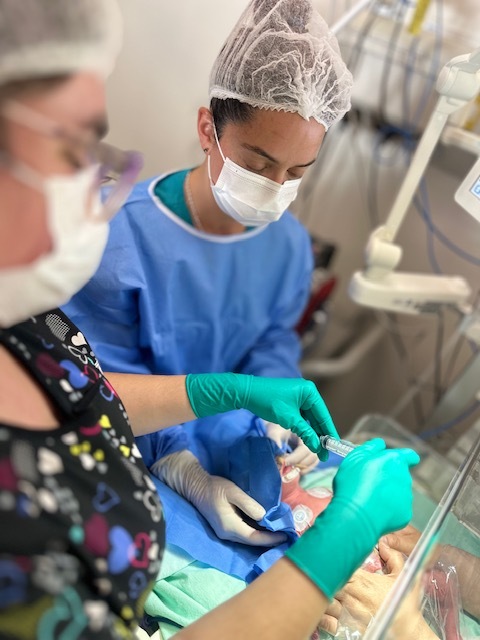
Intensive care intervenes when an illness or injury is so severe that vital organ systems must be monitored, supported, or temporarily replaced.
In clinical settings, this primarily pertains to acute conditions such as:
- heart attack
- severe cardiac arrhythmia
- stroke
- sepsis
- acute respiratory distress syndrome (ARDS)
- severe burns
- multiple trauma following accidents
- recovery following major surgery
In outpatient settings, intensive care deals with patients suffering from chronic impairments. This includes, for example:
- conditions requiring mechanical ventilation (chronic obstructive pulmonary disease (COPD), neuromuscular disorders, consequences of respiratory failure)
- spinal cord injury (paraplegia or tetraplegia)
- persistent vegetative state (apallic syndrome) following traumatic brain injury, stroke, or oxygen deprivation
- severe neurological conditions (ALS, i.e. amyotrophic lateral sclerosis, late-stage multiple sclerosis, Parkinson’s disease)
- complex tumour diseases
- severe cardiac arrhythmia
- acid-base balance disorders or severe metabolic disturbances
- traumatic brain injuries with permanent sequelae
With such diagnoses, the patient’s condition can deteriorate rapidly and unpredictably at any time. Therefore, a qualified nurse must always be available to initiate immediate life-saving measures.
Intensive care can generally be divided into two main categories – depending on where patients are treated. The respective level of care plays a decisive role in that regard.
In-hospital intensive care
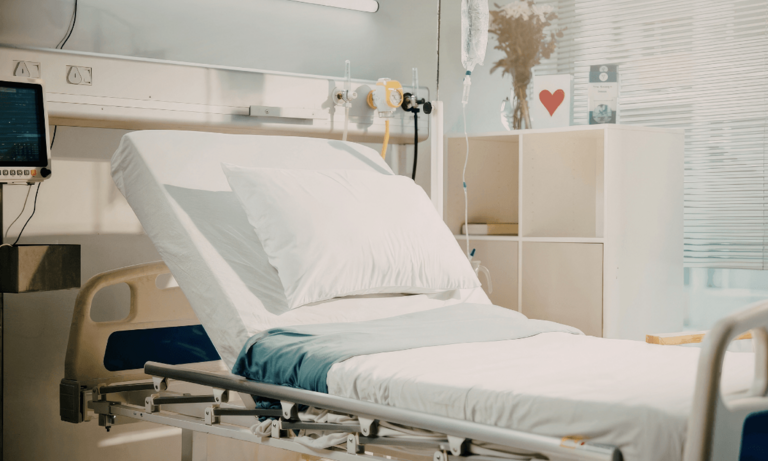
Intensive care units in hospitals are specifically designed to care for patients in acute crises or following major operations. The facilities include:
- a central workstation with a view of all patients
- emergency rooms with intubation, ventilation, and defibrillation equipment
- single rooms for critically ill and palliative care patients
An intensive care patient requires approximately 20–25 square metres of floor space, 16–20 power sockets, and several oxygen, compressed air, and vacuum connections. Staffing ratios are legally stipulated by the Federal Ministries of Health. In Germany, for example, the ratio amounts to a maximum of 2.5 patients per nurse during the day and a maximum of 3.5 patients per nurse at night.
There are both specialist and interdisciplinary critical care units.
- Specialist units treat patients in areas such as cardiac surgery, neurosurgery, or neonatal ICU (premature and newborn babies).
- Interdisciplinary intensive care units admit patients from various specialist areas, which is the norm in smaller hospitals.
In addition, many facilities have a so-called intermediate care unit (IMC) for patients requiring increased (but not intensive) monitoring.
Out-of-hospital intensive care
According to German law (SGB V), patients are entitled to non-hospital intensive care "if the constant presence of a suitable nursing professional for individual monitoring and readiness to act" is required. On this basis, critically ill people who don't strictly depend on inpatient treatment can also be cared for outside the hospital.
- Intensive care at home is the most complex and personalised option: A qualified nurse looks exclusively after one patient in their private living space. The advantages of this one-to-one care are obvious: Patients remain in their familiar surroundings and retain a high degree of self-determination. However, this requires a suitable environment – barrier-free with sufficient room for staff, equipment, and aids.
- Intensive care in shared accommodation means that several patients are looked after by a professional team around the clock. Shared accommodation for ventilator users (e.g. for people with severe lung conditions) fosters a homely atmosphere whilst encouraging social interaction. For many people affected, this is a reasonable compromise when their own home does not meet the necessary requirements.
- Intensive care in nursing homes offers a combination of medical care, therapeutic measures, and social support. Many nursing homes have a dedicated unit for this purpose. Here too, a team of specialists is available round the clock, though with less time per patient than in shared accommodation or at home.
| Type of care | Staff ratio (Germany) | Advantages | Characteristics |
| ICU in hospital | 1:2.5 (day) 1:3.5 (night) |
Maximum medical care | For acute crises and post-operative care |
| Intensive care at home | 1:1 | Familiar surroundings, maximum individuality | Flat must be suitable |
| Intensive care in shared accommodation | 1:1 to 1:2 | Social contact, homely atmosphere | Especially suitable for those requiring ventilation |
| ICU nursing home | 1:3 or more | Comprehensive care, multi-disciplinary team | Less personalised |
Requirements for non-hospital intensive care
In Germany, the entitlement to non-hospital intensive care for those with statutory health insurance is regulated in Section 37c of the German Social Code, Book V (SGB V). For the care to be approved and funded, various medical requirements must be met:
- serious illness necessitating continuous monitoring by specially trained nursing staff
- increased risk of acute, life-threatening conditions that call for an immediate response
- constant readiness to intervene, as life-saving measures may become necessary at any time
- a need for care that precludes the patient from carrying out the needed measures independently
Out-of-hospital intensive care requires a medical prescription. This can be issued by specialist doctors or by GPs who have the relevant authorisation and specialist knowledge. As part of discharge management, the hospital may prescribe out-of-hospital intensive care to ensure a seamless transition.
For intensive care at home, certain requirements regarding the living situation must be met:
- The home should be barrier-free or adapted accordingly.
- There must be sufficient space for care equipment (care bed, wheelchair, suction devices, ventilator if required) and staff.
- There must be sufficient sockets and, where necessary, special connections for medical equipment.
Intensive care service: Which is the right one?
Choosing a care service is one of the most important decisions that those affected and their relatives have to make. As the quality standards of individual providers can vary considerably, you should always conduct a thorough comparison.
The following core services should definitely be covered:
- round-the-clock monitoring of vital signs with the option of immediate intervention (including resuscitation)
- proper handling of all necessary medical equipment: ventilators, monitoring devices, infusion and syringe pumps, dialysis machines
- competent tracheostomy care, including endotracheal suctioning and cannula changes
- ventilation care (invasive and non-invasive)
- management of central-venous catheters and port systems
- enteral and parenteral nutrition
- expertise in pain management and palliative care
- proof of basic qualification and, where applicable, relevant specialist further qualification for all nursing staff
- regular, verifiable staff training
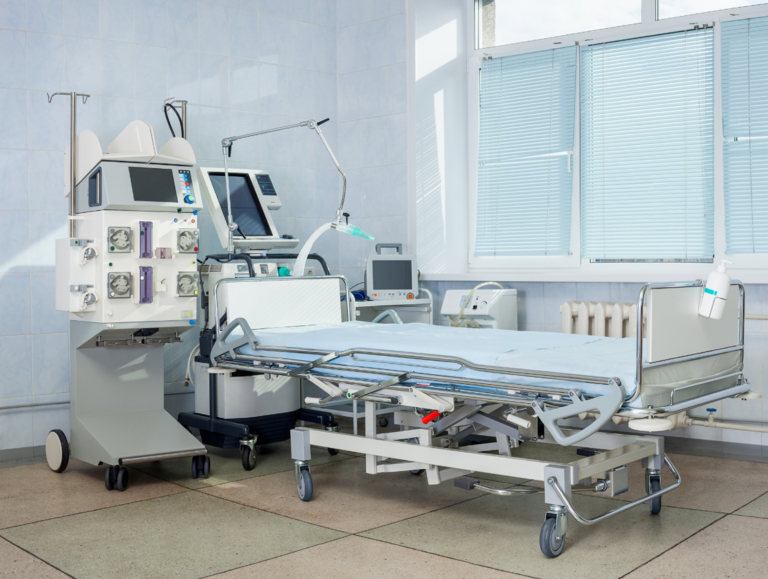
When every minute or even every second counts, a single action can mean the difference between life and death. Intensive-care medicine is a highly complex system of measures that must interlock precisely and conform exactly to the situation at hand. The following overview shows which tasks are (or can be) carried out in detail and how they interact.
Monitoring
The continuous monitoring of vital signs lies at the heart of all intensive-care activities. This includes the continuous monitoring of:
- heart rate
- blood pressure
- respiratory rate
- oxygen saturation
- body temperature
Similarly, organs and organ systems must be monitored:
- heart and circulation
- lungs and respiration
- kidneys and excretion
- neurology (level of consciousness, reflexes)
- body-temperature regulation
With the help of monitors that continuously record these parameters, nursing staff can immediately detect changes and take countermeasures. If a patient’s condition deteriorates, administering circulatory medications is just as much a part of their immediate duties as resuscitation. Where necessary, intensive care nurses intervene independently to stabilise the patient until the doctor in charge can take over.
Ventilation and tracheostomy care
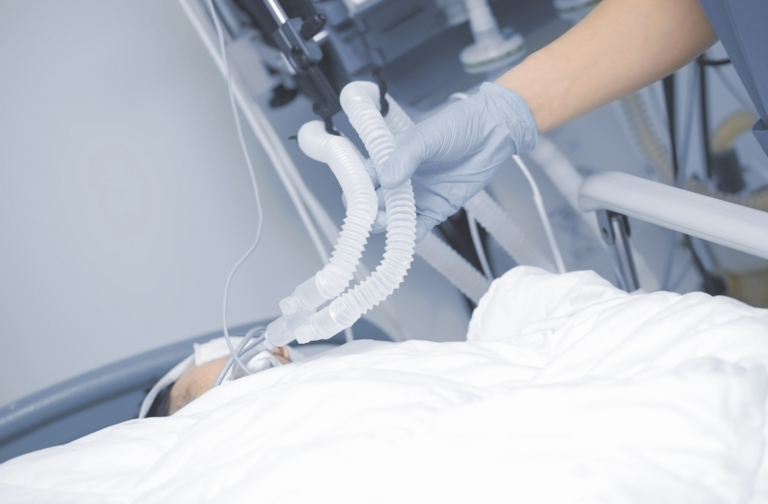
Patients who cannot breathe independently are ventilated either non-invasively (via a mask) or invasively (via a tube or tracheal cannula through a dilated or surgically created tracheostoma).
Managing the tracheostoma requires particular care and regular intervention: Tracheal secretions must be suctioned regularly and professionally to enable the patient to breathe. The tracheal cannula itself must be maintained and changed at regular intervals. Nursing staff must also monitor and operate the ventilator, respond to alarms, and resolve malfunctions. Particularly in non-hospital settings, the ability to overcome technical issues independently plays a crucial role, immediate medical support (as in hospital) is not available.
Therapeutic care
Therapeutic care involves administering medication and monitoring its effects. To this end, nursing staff assume a wide range of tasks:
- operate infusion and syringe pumps
- maintain intravenous and central-venous access
- insert feeding tubes
- monitor nutrition (either enterally via tube or parenterally via vein)
- monitor fluid intake and output
- change dressings
- assist with minor procedures (e.g. bronchoscopy or insertion of a central-venous catheter).
Basic care
In addition to highly specialised medical care, standard routines are also part of intensive care:
- personal hygiene
- oral hygiene
- patient positioning
- pressure ulcer prophylaxis (i.q. measures to prevent tissue damage caused by prolonged bed rest)
- active mobilisation (where possible)
Moreover, approaches such as kinaesthetics, basal stimulation, or the Bobath method can promote existing abilities and the general well-being of patients.
Psychosocial care
Intensive care does not stop at physical treatment. Patients and their relatives find themselves under severe psychological strain due to the extreme and exceptional circumstances. A good nurse must convey the feeling that the focus is on the person, not the equipment.
Empathetic support for critically ill and dying patients and their relatives is an integral part of intensive care. Nurses receive support through team meetings and coordination with other specialist departments (specialist doctors, physiotherapists, occupational therapists, etc.)
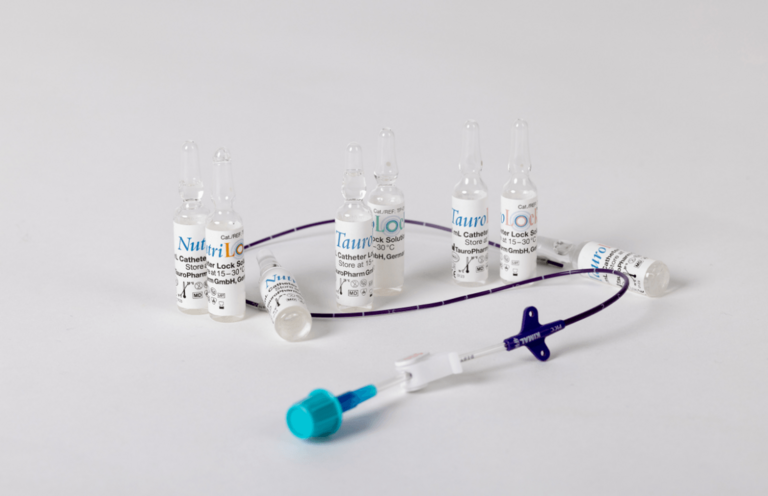
For people whose lives are already hanging by a thread, any unforeseen event can mean a death sentence. To protect patients from complications, numerous preventive measures must be taken. This applies in particular to central-venous access devices (catheters and ports): On one hand, CVADs enable life-saving treatments, such as parenteral nutrition or haemodialysis. But when they develop an infection, they can quickly turn into a life-threatening risk. Therefore, strictest hygiene protocols must be adhered to in intensive care. Experts recommend the following:
- Prophylactic locking with a taurolidine-based solution immediately after the access has been placed. (The fact that biofilm forms as early as 24 hours after implantation suggests that protection with an antimicrobial substance should be provided as early as possible.) (2,3)
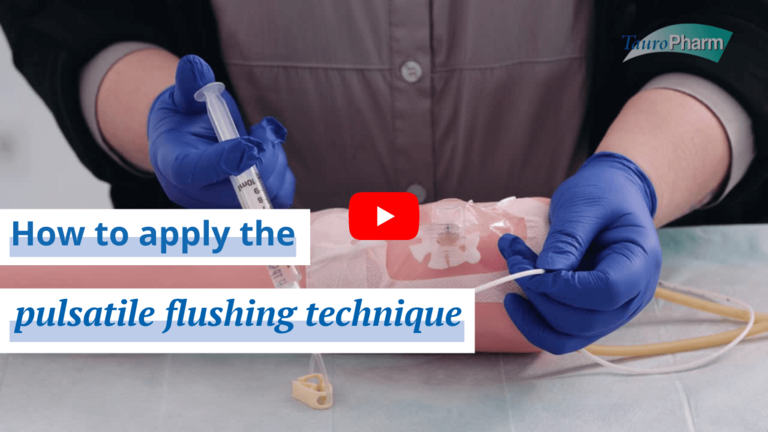
- Pulsatile flushing with saline before and after each treatment: 10 bolus doses of 1 ml each, with an interval of 0.4 seconds between bolus doses. (4,5)
- Some patients are prone to occlusion, which can lead to catheter malfunction. In such cases, flushing solutions containing an anticoagulant (TauroLock™, TauroLock™-HEP100) or a thrombolytic agent (TauroLock™-U25.000) ensure strong protection. (6)
The efficacy of taurolidine-based lock solutions in intensive care has been confirmed in several clinical trials.
- A study presented at the International Conference on Awareness in Critical Care (CRRT) in 2014 investigated the effect of TauroLock™ (taurolidine + 4% citrate) for critically ill patients. Compared to heparin, TauroLock™ led to “significantly fewer CRBSI episodes and CRBSI-related deaths”. (7)
- A retrospective study from Italy reported that 2 % taurolidine was successfully used for the prevention and treatment of catheter-related bloodstream infections in neonates. (8)
- Similarly, TauroLock™ proved “safe and effective” in preventing infections among young children in a randomised study from Poland. (9)
Intensive care demands the highest standards of performance from nursing staff. This requires specific specialist knowledge, technical expertise, and (not least) personal skills. In Germany, the basic requirement is a three-year, state-recognised training programme to become a registered nurse. On this basis, further specialist qualifications can be acquired:
- Annual refresher courses for non-hospital intensive care: Compulsory topics include resuscitation, ventilation, and first aid.
- Two-year part-time training to become a "Specialist Nurse for Anaesthesia and Intensive Care": 780 hours of theoretical instruction plus 1,800 hours of practical training in intensive care units, home-based intensive care, or home ventilation. The training concludes with a state examination.
- Further training for specialists in non-hospital intensive care and home ventilation, or specialists in critical care and geriatric psychiatry.
Dealing with life-threatening situations also requires a high degree of stress resilience and emotional stability. At the same time, empathy is essential, as intensive care nurses support people in exceptional physical and psychological states on a daily basis.
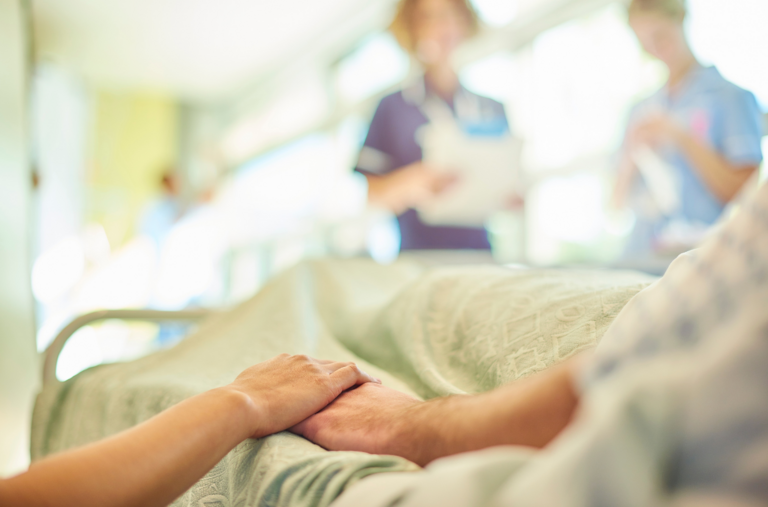
Family members of critically ill patients face immense challenges – psychological and organisational, sometimes also physical and financial. Those affected must adapt to a complex and entirely new situation within a short space of time, often without prior experience and whilst in a state of emotional distress. In out-of-hospital settings, many relatives take on a share of the care routines in the long term. For those so-called “informal caregivers“, the burden is particularly heavy:
- Family carers often have little time left for hobbies or socialising. (10)
- Many can continue their professional work only to a limited extent or not at all. This leads to a drop in income, whilst additional expenses pile up for transport, care aids, etc. As a result, intensive care can quickly become a threat to one’s financial livelihood. (11)
- It therefore comes as no surprise that informal caregivers increasingly suffer from mental health problems such as depression or anxiety. (12) Many also struggle with physical ailments, e.g. back pain from frequently lifting the patient or migraines caused by chronic stress.
But relatives should not bear this burden alone. Support is available from various sources:
- In hospital, the clinical team offers social guidance. It assists with discharge planning or with applications and arranges suitable care services or facilities.
- Family members who provide some of the basic care themselves can take advantage of training courses offered by intensive-care services. That said, highly complex medical procedures may only be carried out by qualified specialist staff.
Health insurance should be involved in the planning as early as possible, even before discharge from inpatient care. Close dialogue with the health insurance provider, social services, and care providers can significantly simplify or speed up the organisational processes.
Intensive care currently faces enormous structural and societal challenges across the globe. Demographic change means that the proportion of older and multimorbid people in the population is steadily growing. This also increases the demand for highly qualified intensive care. At the same time, the shortage of skilled staff is worsening – a problem particularly acute in intensive care.
Working conditions are demanding: Shift work, emotional and physical strain, and constant stress can lead to exhaustion and burnout in the long run. To retain qualified staff in this sector, healthcare providers and policy makers must invest in better working conditions, appropriate remuneration, and psychological support services for nursing staff.
Technological developments – from telemedicine and improved ventilators to AI-supported monitoring systems – offer new opportunities for quality and efficiency in intensive care. The digitisation of care documentation, networked medical devices, and remote monitoring systems can relieve the burden on staff and enhance patient safety. At the same time, these developments place new demands on the continuing education and training of nursing staff.
A lot remains to be done: The shortage of skilled staff, working conditions in the care sector, and complex bureaucracy continue to pose major hurdles. It is therefore particularly important for those affected and their relatives to seek information at an early stage, make use of all available advisory services, and consistently assert their rights.
- Kaltwasser et al. eMedpedia. Springer Medizin. DOI: 10.1007%2F978-3-642-54675-4_5
- Labriola et al. J Vasc Access 2017. DOI: 10.5301/jva.5000681
- Daoud et al. Nutrients 2020. DOI: 10.3390/nu12020439
- Nickel et al. J Infus Nurs 2024. DOI: 10.1097/NAN.0000000000000532
- Goossens. Nurs Res Pract 2015. DOI: 10.1155/2015/985686
- Pittiruti et al. J Vasc Access 2016. DOI: 10.5301/jva.5000576
- Saxena et al. Presentation at the International Conference on Awareness in Critical Care (CRRT) 2014.
- Savarese et al. J Hosp Infect 2024. DOI: 10.1016/j.jhin.2023.11.003
- Łyszkowska et al. J Hosp Infect 2019. DOI: 10.1016/j.jhin.2019.04.022
- Jeppesen et al. JPEN J Parenter Enteral Nutr 2022. DOI: 10.1002/jpen.2248
- French et al. Clin Nutr 2022. DOI: 10.1016/j.clnu.2021.12.030
- Santarpia et al. Nutrients 2024. DOI: 10.3390/nu16081168
This guide is for general information purposes only. It does not replace individual advice from a doctor or nurse. If you have specific questions regarding care, please contact your health and nursing care insurance provider, care support centres, or specialist intensive care services.