


"Prevention really is life-saving"
A patient’s family on struggling with infections and finding TauroLock™
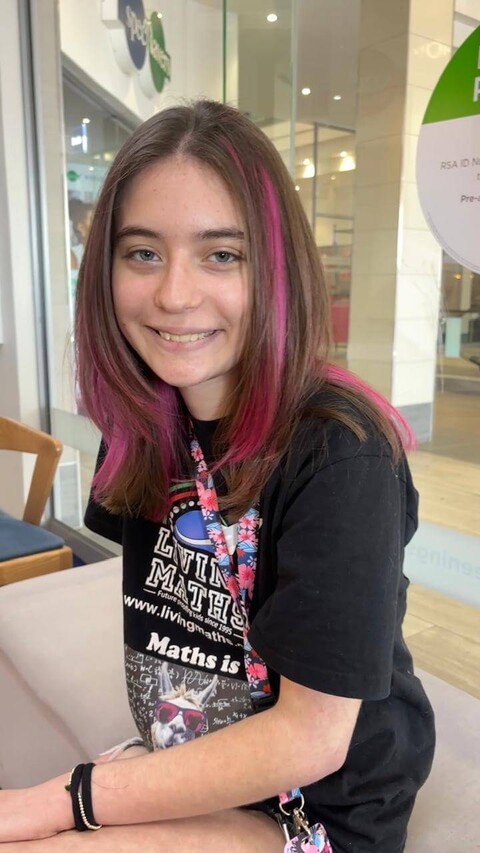
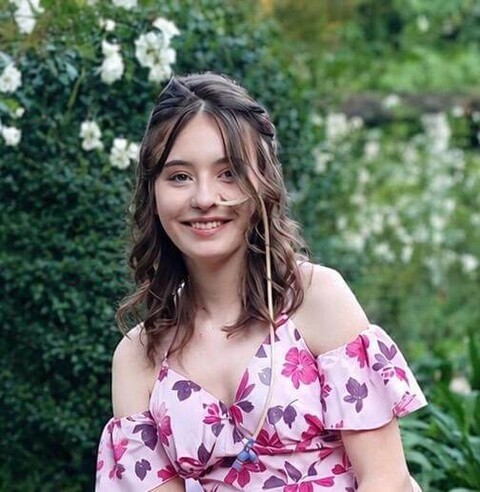
On paper, a central-venous catheter is simply a medical device. For 15-year-old Seanna from Johannesburg, South Africa, it is a lifeline. Seanna has been diagnosed with several complex chronic illnesses, including hEDS, POTS, MCAS, gastrointestinal dysmotility, CVID and a neuroimmune condition known as PANS. She depends on artificial feeding and additional hydration, administered through her catheter, to survive. But the catheter has also placed her at significant risk. Her family told us how they cope with these challenges and how TauroLock™ has given them a completely new outlook.
How did Seanna become dependent on long-term intravenous access?
Seanna’s health deteriorated significantly after suffering from COVID in 2022. What followed was a long and complicated ordeal involving multiple vascular compression syndromes, several major surgeries, gastrointestinal dysmotility, feeding intolerance, chronic pain, autonomic dysfunction and, more recently, immune and neuroinflammatory complications.
She now receives nutrition through a jejunal feeding tube. But she still needs reliable venous access for hydration, medication, blood tests, and treatment during hospital stays. Her port is not optional. It keeps her going.
What complications has she experienced with CVCs?
Unfortunately, catheter infections became one of our greatest fears. Seanna developed recurrent Klebsiella infections and eventually fell critically ill with sepsis. She spent almost a month in intensive care. The organism was highly resistant, which made an already dangerous situation even more terrifying.
There were repeated complications, PICC replacements, hospital admissions, antibiotics, and procedures. Every change in temperature, shiver, or unexplained development raised the same question: Is this another infection?
Once you have watched your child become critically ill from sepsis, you never look at a CVC in the same way again.
When did you hear about TauroLock™?
We found out about TauroLock™ while looking for better ways to protect Seanna’s catheter and reduce the risk of another infection.
What surprised us was how long it took us to become aware of it, when it’s such an obvious and easy solution to a dangerous problem. For families living with long-term central access, preventing infections should receive as much attention as treating them.
TauroLock™ is now a non-negotiable part of Seanna’s catheter-care routine.
What difference has TauroLock™ made?
TauroLock™ has given us something that we thought we had lost forever: A sense of safety.
We remain meticulous about the sterile technique because no product replaces proper hygiene. However, TauroLock™ provides another essential layer of protection against catheter-related infection and biofilm.
For our family, it has been a lifesaver. After recurrent infections, resistant Klebsiella and a prolonged ICU admission with sepsis, prevention is not a “nice-to-have”. It means the difference between being safely at home and fighting for Seanna’s life in ICU.
It also helps us protect her limited vascular access. Every line that becomes infected or needs to be replaced can reduce future access options. For a young person in need of long-term treatment, preserving those veins matters enormously.
"Please look beyond the immediate cost of a preventive product.
Most importantly, consider the risk to the patient’s life."
How does living with this risk affect the family?
A catheter infection affects so much more than the catheter itself.
It means emergency admissions, blood cultures, antibiotics (that come with their own risks), procedures, and the possibility of losing the access. For Seanna, anaesthesia and hospital admissions can also trigger serious neurological flares. Preventing an infection can therefore prevent other severe complications.
It affects the whole family psychologically. Sepsis changes you. Even when things are stable again, you stay on alert.
TauroLock™ cannot remove every risk, but it makes us feel that we do everything reasonably possible to protect Seanna.
What would you like other patients and caregivers to know?
Ask about preventive catheter management before the first complications happen.
Learn the correct sterile technique. Speak up if proper precautions are not followed. Know what is used to lock the line and why. Do not assume that every healthcare professional will educate you about all available options. They do the best they can, but they can’t know everything either.
Many patients and families we meet are still not aware of TauroLock™, despite the efforts of committed specialists. We just have to keep spreading the word so that those affected will learn about the options they have.
Families should not have to discover potentially life-saving prevention strategies only after their child has gone through sepsis.
What message would you give healthcare providers and funders?
Please look beyond the immediate cost of a preventive product.
Consider the cost of an ICU admission, catheter replacement, specialist care, prolonged antibiotic treatment, and the physical and emotional consequences of sepsis. Most importantly, consider the risk to the patient’s life.
For medically complex children like Seanna, preventing one infection can prevent an entire chain of medical trauma.
TauroLock™ may come in a small syringe, but for our family, the peace of mind and quality of life it provides are immeasurable.
It has genuinely been one of the most impactful additions to Seanna’s care.